
our Surgeries
Our Surgeries – We provide advanced, minimally invasive urological treatments for kidney and urinary problems, ensuring safe care, less pain, and faster recovery in Siliguri.
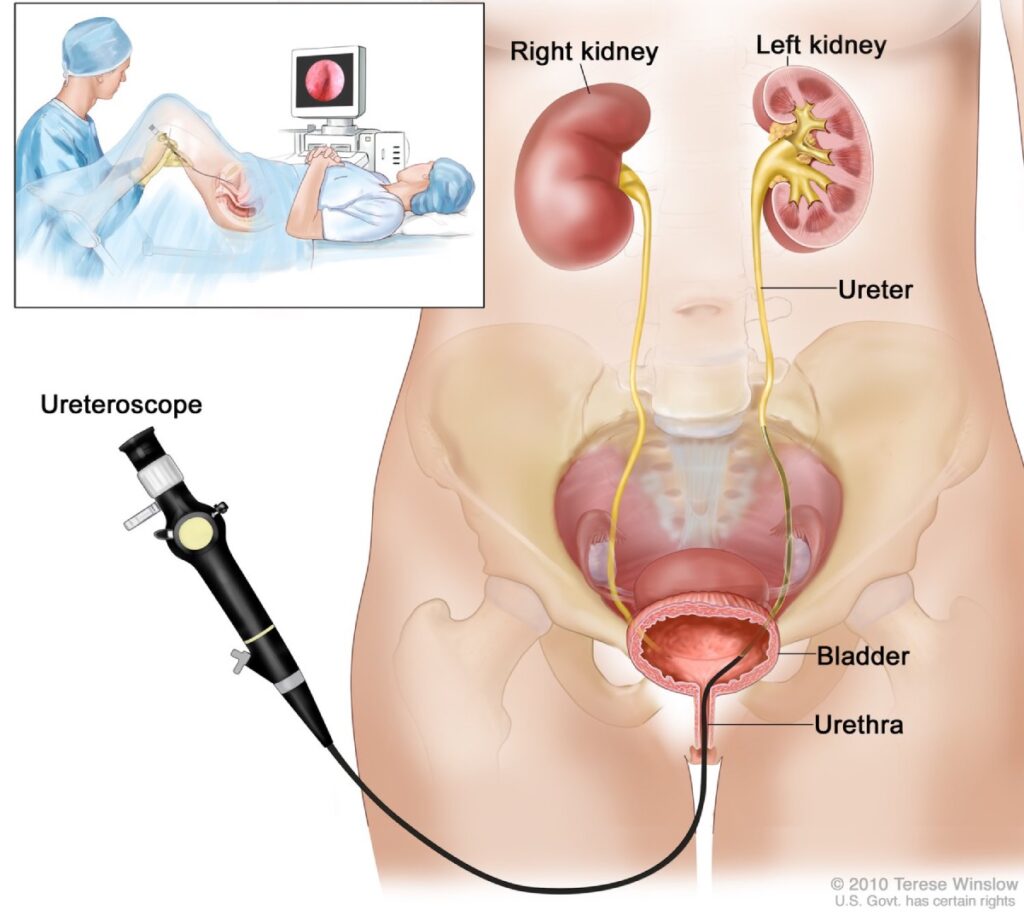
RIRS (Retrograde Intrarenal Surgery)
is a minimally invasive procedure in urology used mainly to treat kidney stones and certain kidney disorders without making any external cuts or incisions. In this technique, a thin and flexible instrument called a ureteroscope is passed through the urinary opening, into the bladder, then through the ureter, and finally into the kidney to locate the stone. Once detected, the stone is broken into small pieces using laser energy, and the fragments are either removed or allowed to pass naturally through urine. RIRS is considered safe and effective, especially for small to medium-sized kidney stones, and offers advantages such as less pain, minimal bleeding, shorter hospital stay, and faster recovery compared to traditional surgery. Patients usually recover quickly and can return to normal activities within a few days.
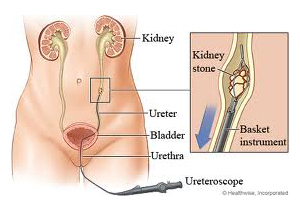
URSL (Ureteroscopic Lithotripsy)
is a minimally invasive urological procedure used to treat stones present in the ureter (the tube that carries urine from the kidney to the bladder). In this procedure, a thin instrument called a ureteroscope is inserted through the urinary opening, passed into the bladder, and then guided into the ureter to locate the stone. Once the stone is identified, it is broken into small fragments using laser energy or other lithotripsy devices, and the pieces are either removed or allowed to pass naturally through urine. URSL does not require any external cuts, causes minimal pain, and allows faster recovery compared to open surgery. It is commonly recommended for patients with ureteric stones that are causing severe pain, blockage, or infection, and most patients can return to normal activities within a few days after treatment.
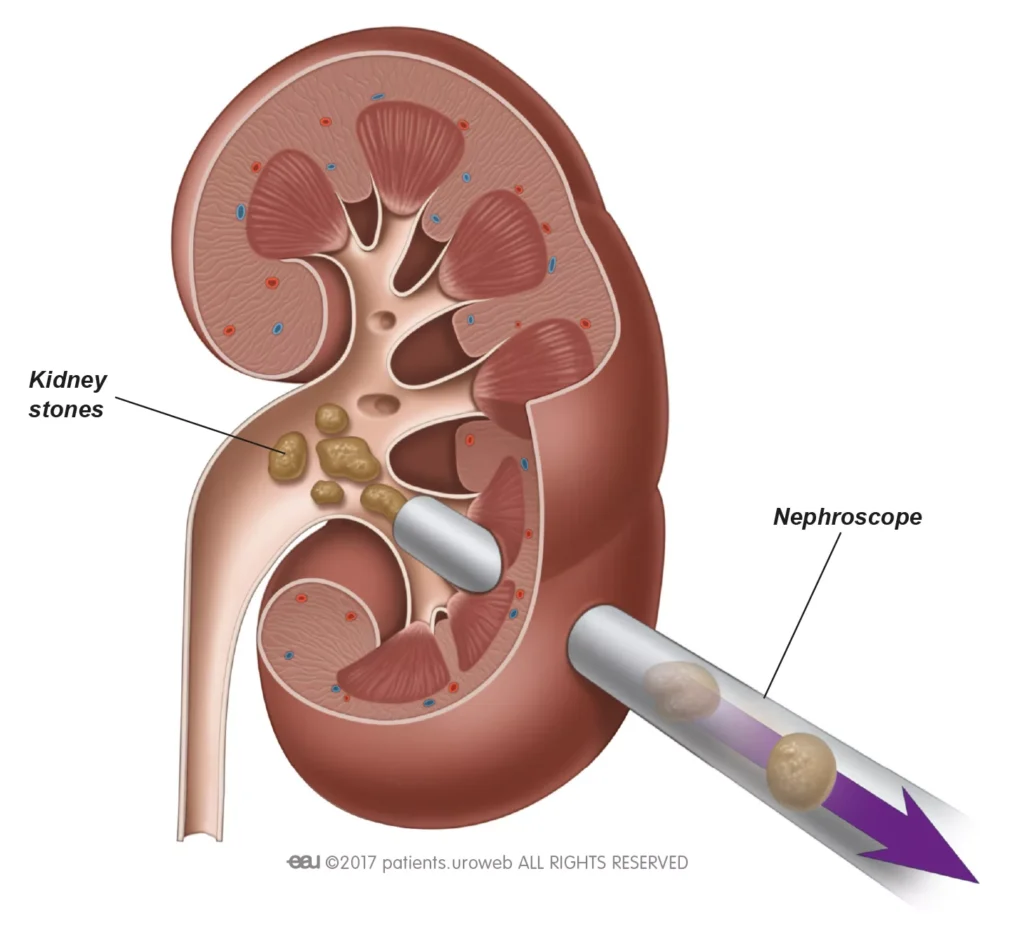
PCNL (Percutaneous Nephrolithotomy)
is a minimally invasive surgical procedure used in urology to remove large or complex kidney stones directly from the kidney. In this procedure, the surgeon makes a small incision in the patient’s back to create a direct pathway to the kidney. A special instrument called a nephroscope is inserted through this opening to locate the stone, which is then broken into smaller pieces using ultrasound or laser energy and removed from the body. PCNL is usually recommended for large kidney stones (generally larger than 2 cm), hard stones, or stones that cannot be treated effectively with other procedures like RIRS or shock wave therapy. Although it involves a small incision, PCNL offers effective stone removal, high success rates, and faster recovery compared to traditional open surgery, with patients typically requiring a short hospital stay.
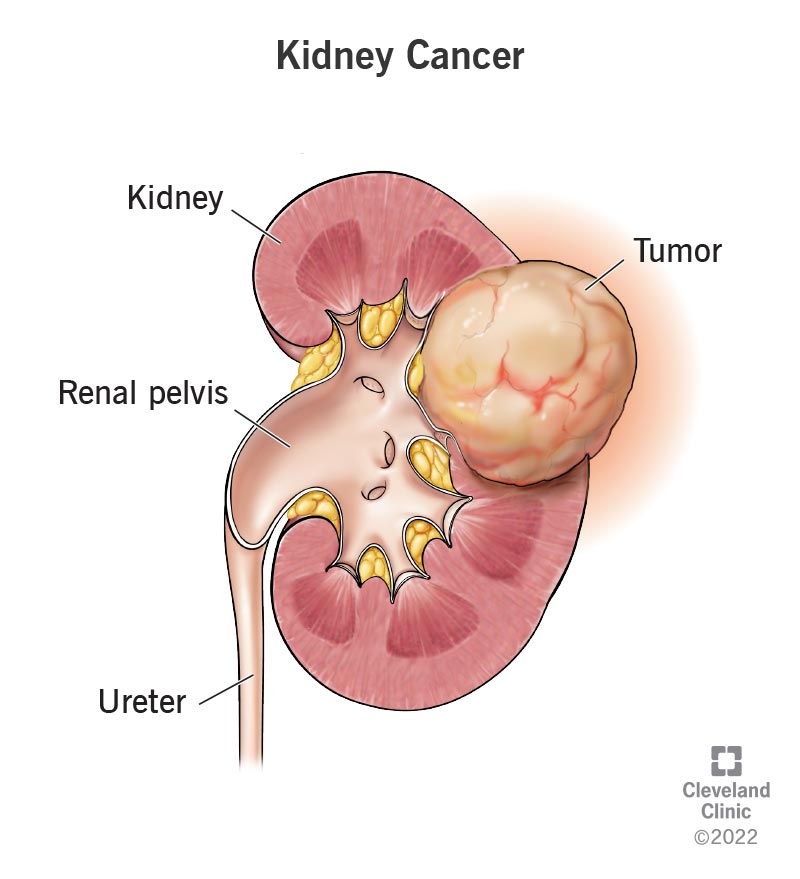
Kidney Cancer
Kidney cancer is a disease in which abnormal cells grow uncontrollably in the kidneys and form a tumor. The most common type is renal cell carcinoma. Early stages may not show symptoms, but later signs can include blood in urine, pain in the lower back, fatigue, and unexplained weight loss. Treatment may involve surgery, targeted therapy, immunotherapy, or minimally invasive procedures depending on the stage of the cancer.
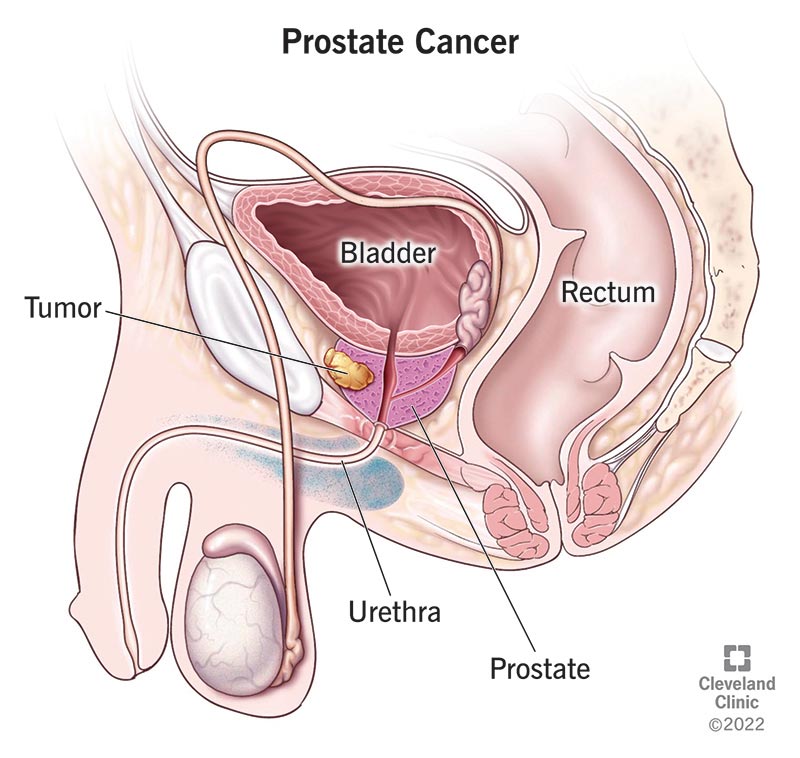
Prostate Cancer
Prostate cancer occurs in the prostate gland, which is part of the male reproductive system and helps produce semen. It is one of the most common cancers in men. Symptoms may include difficulty urinating, weak urine flow, blood in urine or semen, and pelvic discomfort. Early detection through screening is important. Treatment options include surgery, radiation therapy, hormone therapy, and advanced minimally invasive procedures.
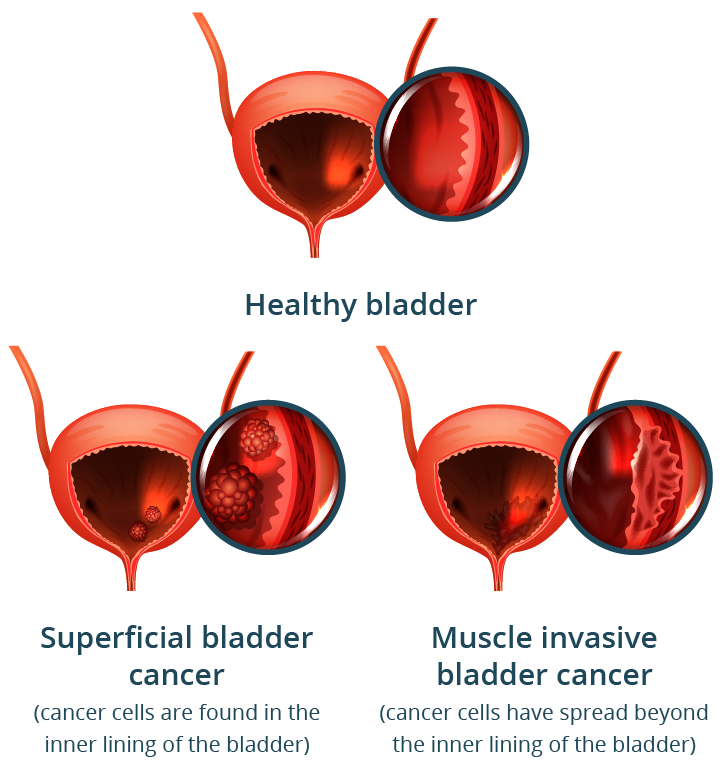
Bladder Cancer
Bladder cancer develops when abnormal cells grow in the lining of the bladder. The most common symptom is blood in urine, along with frequent urination, pain during urination, and pelvic discomfort. Risk factors include smoking, chemical exposure, and chronic bladder irritation. Treatment may include surgery, chemotherapy, immunotherapy, or laser treatment depending on the severity.
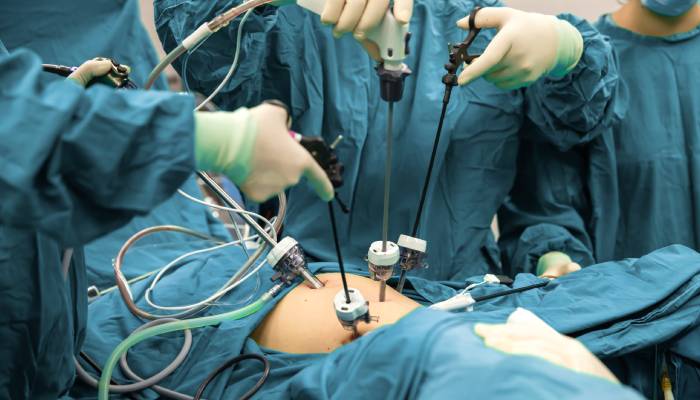
Robotic & Laparoscopic Urology
refers to advanced, minimally invasive surgical techniques used to treat diseases of the urinary tract and male reproductive system, such as kidney disorders, prostate problems, bladder conditions, and urinary tract cancers. In laparoscopic urology, surgeons perform operations using small incisions through which a camera and specialized instruments are inserted to carry out the procedure with precision. In robotic urology, the surgeon controls a robotic system that provides enhanced vision, greater accuracy, and improved control of surgical movements. These techniques offer several benefits compared to traditional open surgery, including smaller cuts, less pain, minimal blood loss, shorter hospital stay, faster recovery, and reduced risk of complications, making them widely preferred for modern urological treatments.
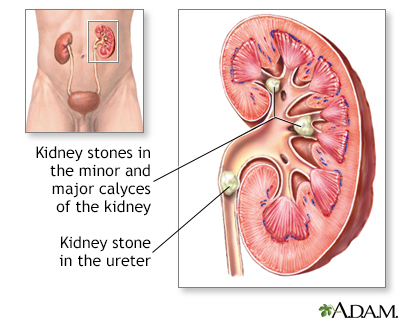
Kidney & Urinary Stones
are hard deposits formed from minerals and salts that develop in the kidneys or anywhere in the urinary tract, including the ureters, bladder, or urethra. These stones form when substances like calcium, oxalate, and uric acid become highly concentrated in urine and crystallize into solid masses. Kidney and urinary stones can vary in size, from very small particles to large stones that may block the flow of urine. Common symptoms include severe pain in the back or lower abdomen, burning sensation during urination, blood in urine, nausea, and frequent urge to urinate. Treatment depends on the size and location of the stone and may include increased fluid intake, medications, or medical procedures such as laser treatment or minimally invasive surgery to remove or break the stones. Proper hydration and dietary changes can help prevent stone formation.
Testicular Cancer
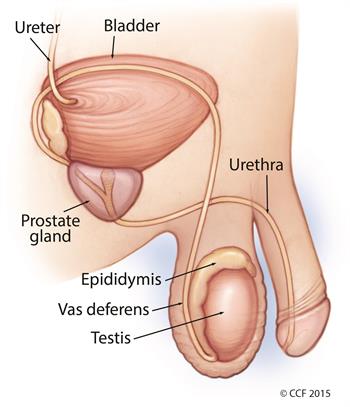
Testicular cancer occurs in the testicles, which are responsible for producing sperm and male hormones. It mainly affects younger men between the ages of 15 and 40. Common symptoms include a painless lump or swelling in the testicle, heaviness in the scrotum, or mild discomfort in the lower abdomen. Testicular cancer is highly treatable when detected early, and treatment usually includes surgery, chemotherapy, or radiation therapy.